Tungsten carbide molds are renowned for their exceptional hardness, wear resistance, and long service life. However, their superior performance and longevity are heavily dependent on proper maintenance. Neglecting correct care can lead to premature failure, costly downtime, and compromised product quality. This guide outlines the essential practices for maintaining your tungsten carbide molds to maximize your return on investment.
A. Proper Use and Handling
· Avoid Overloading: While incredibly strong, tungsten carbide is brittle and can fracture under excessive impact or stress. Operate within the recommended pressure and temperature ranges.
·Correct Alignment: Ensure perfect alignment between the mold halves. Misalignment causes uneven stress, leading to chipping, galling, and premature wear.
· Use the Right Release Agents: Some chemical agents can corrode the binder (typically cobalt) in tungsten carbide. Use compatible, high-quality release agents.
B. Meticulous Cleaning
· Clean Immediately After Use: Never leave residue, such as plastic, rubber, or metal, to harden in the mold cavities. Use soft tools like copper or brass brushes to avoid scratching the polished surfaces.
· Use Appropriate Cleaning Methods: For deep cleaning, utilize specialized methods like ultrasonic cleaning with recommended solvents or gentle abrasive cleaning with plastic media. Avoid harsh steel tools or wire brushes at all costs.
C. Careful Handling
· Prevent Impact: Never strike the mold or its components with hard objects. Handle with care during installation, removal, and transportation.
· Use Protective Pads: When placing the mold on a workbench, use wooden or plastic pads to protect the parting line and critical surfaces.
A. Correct Storage Procedures
· Clean and Dry Thoroughly: Before storage, clean the mold completely and apply a thin layer of anti-corrosion oil.
·Environmental Control: Store molds in a dry, temperature-controlled environment to prevent rust.
· Secure Placement: Store molds in dedicated racks or cabinets. Do not stack them on top of each other. Use protective caps to cover cavities and guide pins.
B. Strategic Lubrication
·Apply Suitable Lubricant: Use high-temperature, high-performance lubricants specifically designed for tungsten carbide molds.
· Lubricate Guide Pins & Bushings: Regularly lubricate moving parts to prevent wear and ensure smooth operation.
· Avoid Over-Lubrication: Excess lubricant can attract dust and debris, forming abrasive sludge. A thin, even film is sufficient.
A. Regular Inspection Routine
·Visual Inspection: Before and after each production run, inspect for signs of wear, rust, cracks, or damage.
· Check for Damage: Pay close attention to edges, corners, and fine details for any chips or cracks.
· Measure Critical Dimensions: Periodically use micrometers and gauges to check for wear on critical components.
B. Professional Servicing
· Schedule Professional Polishing: Over time, the surface finish may degrade. Have molds professionally polished by experts who understand the material. Improper polishing can do more harm than good.
· Repair Damage Promptly: If damage like minor chips or wear marks is found, seek professional repair services immediately. Early intervention can prevent the need for a full mold replacement.
Tungsten carbide represents a significant investment. By implementing a disciplined maintenance regimen—encompassing careful handling, thorough cleaning, proper storage, and regular professional inspection—you can protect that investment. A well-maintained tungsten carbide mold will not only last for millions of cycles but will also consistently produce high-quality parts, ensuring maximum productivity and profitability for your operation.
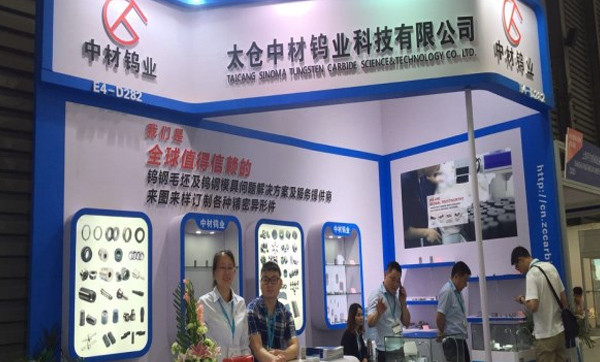
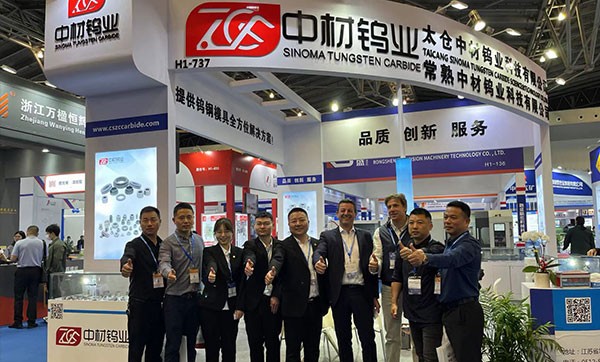
With over 20 years of dedicated experience, ZCCF Tungsten Carbide specializes in the production of high-quality tungsten carbide molds and tungsten carbide mold materials. We are your trusted partner for durable and precise solutions.
Feel free to contact us for inquiries and orders!


(+86)18962328399
(+86)18962328299
ping.wu@cszccarbide.com
zhenzhen.chen@cszccarbide.com
No.4 Xiaoshanjing Road, Zhitang Town, Changshu City, Jiangsu Province, China