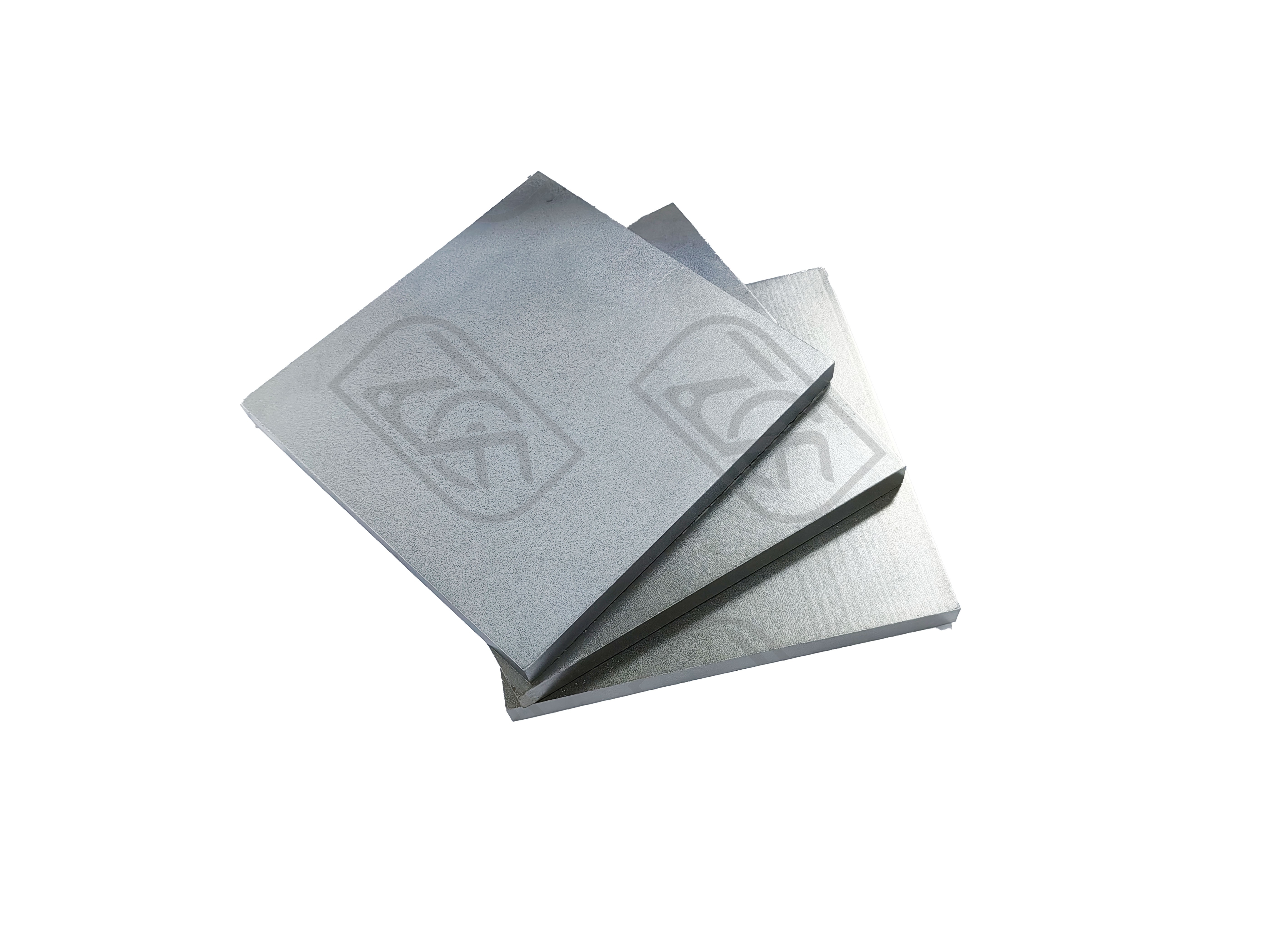
Tungsten carbide (WC) has long been the material of choice for high-performance molds, especially in demanding applications such as cold heading, stamping, and precision forming. Its exceptional hardness, wear resistance, and compressive strength make it ideal for tools that must withstand extreme stress. However, the final properties of a tungsten carbide mold are not determined solely by the composition of the raw material—they are profoundly influenced by the environment in which the material is manufactured.
From powder processing to sintering and post-treatment, every stage of production interacts with the surrounding conditions. Understanding these environmental factors is essential for producing consistent, reliable, and high-performance tungsten carbide molds.
The journey of a tungsten carbide mold begins with the mixing of tungsten carbide powder with a metallic binder, typically cobalt (Co). The production environment at this stage must be meticulously controlled. Even microscopic contamination from dust, moisture, or foreign particles can lead to defects such as porosity, inclusions, or uneven binder distribution. Such defects act as stress concentrators during mold operation, drastically reducing fatigue life and increasing the risk of premature failure. A cleanroom environment and strict handling protocols are therefore critical to ensuring the homogeneity and purity of the powder mixture.
Sintering is the most critical step in determining the final microstructure of tungsten carbide. The process involves heating the compacted powder to a temperature where the binder phase becomes liquid, typically between 1350°C and 1500°C, allowing densification. The atmosphere inside the sintering furnace must be precisely controlled—usually a high vacuum or a protective inert gas such as argon.
If the atmosphere contains even trace amounts of oxygen, oxidation can occur, leading to the formation of brittle phases like eta phase (η-carbides) or causing decarburization. Both conditions compromise toughness and wear resistance. Conversely, an excessively carburizing atmosphere can result in free graphite precipitation, which weakens the material and creates sites for crack initiation. Modern production environments rely on advanced vacuum sintering furnaces with precise pressure and temperature control to achieve the ideal carbon balance and a dense, defect-free microstructure.
The temperature distribution within the sintering furnace directly affects the uniformity of the material’s properties. Temperature gradients can cause uneven shrinkage, residual stress, and variations in grain size. For tungsten carbide molds, which often have complex geometries and demanding dimensional tolerances, such inconsistencies can lead to warping or inaccurate final dimensions.
Similarly, the cooling rate after sintering influences the binder phase distribution and the development of residual stresses. Rapid cooling may induce thermal stresses that can later cause cracking during grinding or in service. A controlled, uniform cooling environment is essential to produce stable, stress-relieved mold blanks.
After sintering, tungsten carbide molds typically undergo grinding, EDM (electrical discharge machining), and sometimes coating. The environment during these finishing operations also matters. Grinding without adequate cooling, for example, can generate localized heat, causing surface burns or micro-cracks. Such damage may not be visible to the naked eye but can significantly reduce the mold’s service life. Using high-quality coolants and maintaining stable machining conditions are therefore part of a controlled production environment.
For molds that require surface coatings (such as TiN, AlCrN, or diamond coatings), the cleanliness and temperature of the coating chamber must be strictly regulated. Any residual oil, oxide layer, or moisture on the mold surface can compromise coating adhesion, leading to premature peeling during use.
Finally, a consistent production environment enables reliable quality control. Variations in ambient temperature, humidity, or atmospheric pressure can affect measurement accuracy, especially for precision molds with tight tolerances. Modern manufacturing facilities maintain temperature controlled metrology rooms to ensure that inspection data is accurate and repeatable. This environmental stability is a cornerstone of delivering tungsten carbide molds that meet the demanding requirements of industries like automotive fasteners, aerospace components, and precision machinery.
The production environment is not merely a backdrop—it is an active factor that shapes the microstructure, mechanical properties, and reliability of tungsten carbide mold materials. From contamination control in powder handling to precise atmosphere management in sintering and stable conditions in finishing, every detail matters. Manufacturers who invest in advanced, well-controlled environments are able to produce tungsten carbide molds with superior consistency, longer service life, and the high performance that critical applications demand.
For customers, understanding the role of the production environment offers confidence in selecting a supplier—because in tungsten carbide tooling, what happens behind the scenes is just as important as the final product.
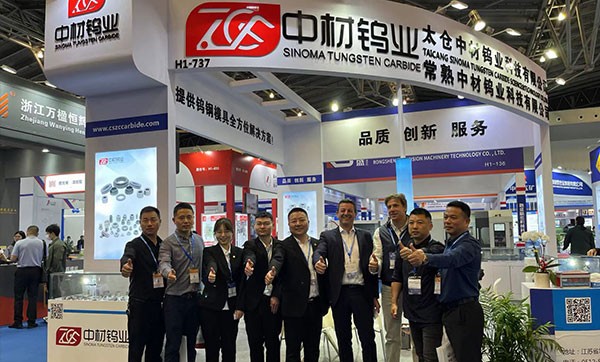
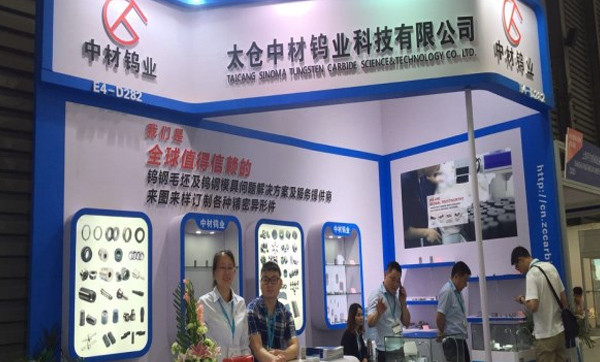
ZCCF Tungsten Carbide's production workshop is equipped with a fresh air system, ensuring a dust-free, constant-temperature, and constant-humidity environment. This effectively minimizes the impact of external conditions on product quality. Friends and partners are welcome to visit and share your valuable insights!
(+86)18962368366
(+86)18962328299
ping.wu@cszccarbide.com
yan.feng@@cszccarbide.com
No.4 Xiaoshanjing Road, Zhitang Town, Changshu City, Jiangsu Province, China