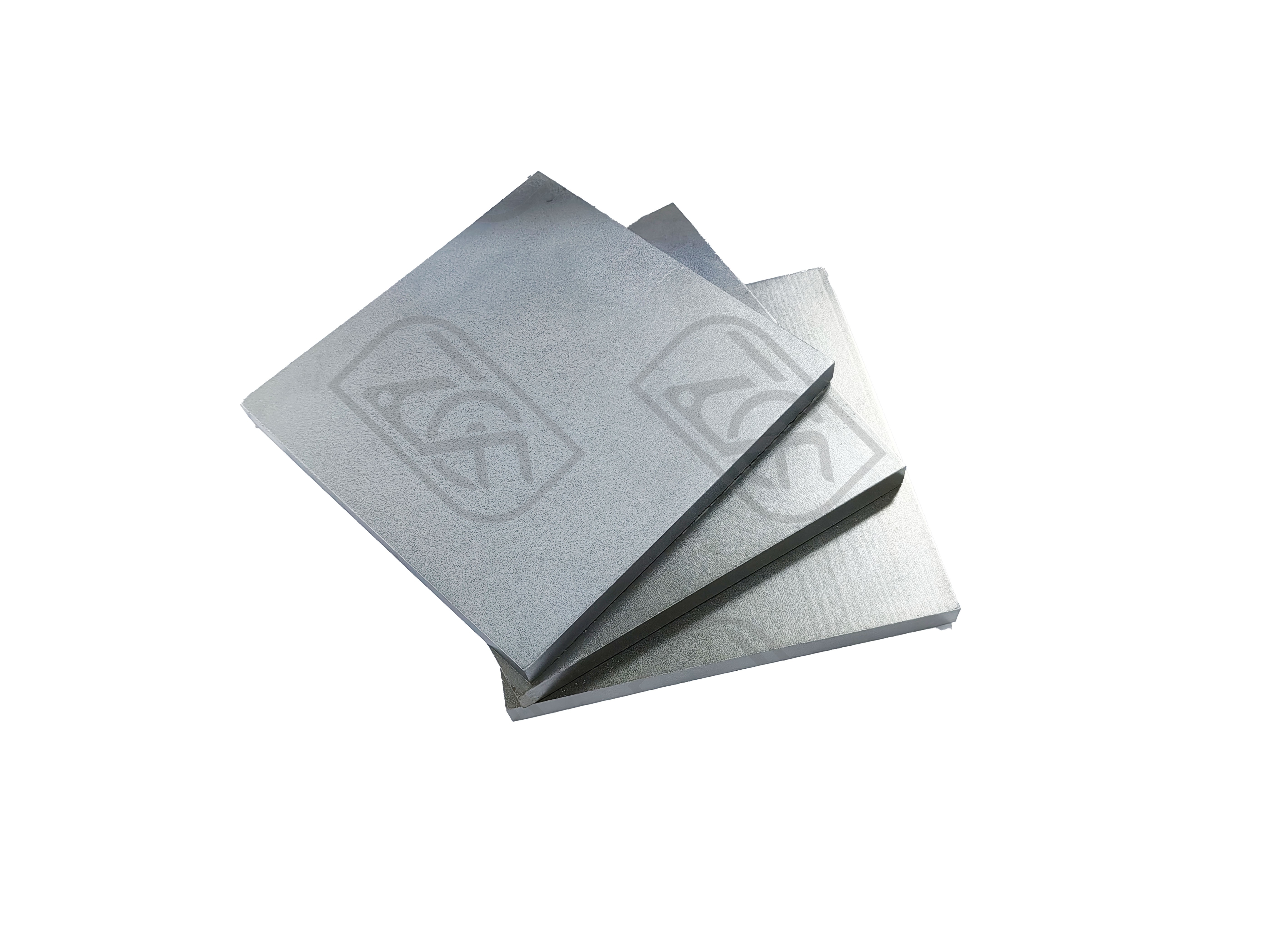
In the precision-driven manufacturing industry, tungsten carbide molds are critical components known for their exceptional hardness, wear resistance, and longevity. While small workshops play a role in the market, large-scale factories hold significant and undeniable advantages in producing high-performance, reliable tungsten carbide molds. For businesses requiring top quality, consistency, and complex capabilities, partnering with a major factory is often the most strategic choice. The key advantages can be summarized in the following areas:
1. Superior Technical Expertise and R&D Capabilities
Large factories invest heavily in research and development. They employ dedicated teams of materials scientists, engineers, and technicians who continuously work on improving material formulations, heat treatment processes, and mold designs.
· Material Science: They have the resources to develop proprietary tungsten carbide grades or partner with top material suppliers to select the optimal alloy for specific applications (e.g., high-impact, corrosion-resistant, or ultra-fine grain).
· Process Optimization: Advanced R&D allows them to perfect complex processes like sintering, HIP (Hot Isostatic Pressing), and precise heat treatment cycles, which are crucial for achieving the desired microstructure and mechanical properties.
· Innovation: They are at the forefront of adopting new technologies, such as using nano-grade tungsten carbide or developing coatings to further enhance mold life.
Small workshops typically lack the capital and personnel for such deep R&D, often relying on standard materials and established, sometimes outdated, techniques.
2. Advanced and Comprehensive Manufacturing Equipment
The production of high-quality tungsten carbide molds requires a significant investment in state-of-the-art machinery. Large factories are equipped with a full spectrum of advanced equipment:
· CNC Machining: High-precision 5-axis CNC milling centers and wire-cut EDM (Electrical Discharge Machining) machines ensure complex geometries are produced with micron-level accuracy.
· Grinding Technology: Advanced CNC grinding machines with diamond wheels are essential for achieving the mirror-like surface finishes and tight tolerances required in modern mold making.
·Quality Control: They possess in-house metrology labs with CMMs (Coordinate Measuring Machines), optical comparators, and surface roughness testers to verify every dimension and specification.
Small workshops may have some CNC machines, but they often cannot match the scale, precision, or technological sophistication of a large factory's equipment park.
3. Unmatched Quality Control and Consistency
For manufacturers using these molds, consistency is paramount. A single faulty mold can lead to massive production downtime and scrap. Large factories implement rigorous, standardized Quality Management Systems (e.g., ISO 9001).
· Process Control: Every step, from raw material inspection to final shipment, is documented and controlled. This traceability ensures that any deviation can be identified and corrected.
· Batch Consistency: Large factories produce their tungsten carbide materials or source them in large, controlled batches, ensuring consistent properties from one mold to the next.
· Comprehensive Testing: Molds undergo thorough testing, including hardness tests, dimensional checks, and sometimes trial production runs.
Small workshops may produce excellent individual molds, but maintaining the same level of batch-to-batch consistency and documentation is a significant challenge.
4. Production Capacity and Scalability
Large factories are built for scale. They can handle high-volume orders and tight deadlines without compromising on quality.
· Supply Chain Strength: They have stable relationships with raw material suppliers, ensuring a uninterrupted flow of high-quality tungsten carbide carbide powder.
· Parallel Processing: With multiple machines and shifts, they can produce multiple molds or large sets of molds simultaneously.
· Project Management: Dedicated project managers oversee the entire production process, ensuring timely delivery and clear communication with the client.
Small workshops are better suited for low-volume, prototype, or urgent repair jobs but can struggle with large, complex orders.
5. Comprehensive Service and Long-Term Support
The relationship with a large factory often extends beyond a single purchase. They provide a full-service partnership.
· Technical Support: They offer expert application engineering to help clients select the best mold design and material for their specific needs.
· After-Sales Service: This includes maintenance, re-sharpening, and repair services, often with a faster turnaround due to their extensive resources.
· Long-Term Partnership: As a stable business entity, a large factory is more likely to be a reliable partner for years to come, supporting a client's future needs.
Conclusion
While small workshops may offer lower initial costs and greater flexibility for very simple tasks, the advantages of large tungsten carbide mold factories are overwhelming for serious industrial applications. Their commitment to R&D, investment in advanced technology, rigorous quality assurance, production scalability, and comprehensive support provide a level of performance, reliability, and risk mitigation that small operations cannot match. For businesses where mold failure is not an option, choosing a large, established factory is an investment in product quality and production peace of mind.
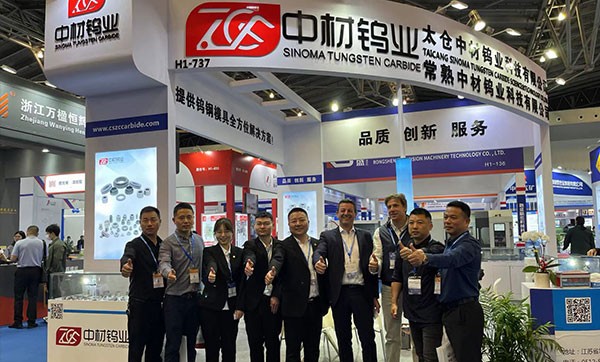
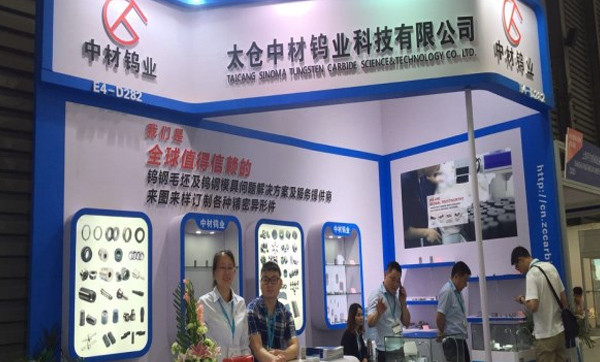
Established in 2010, ZCCF Tungsten Carbide boasts a 20,000-square-meter production facility. As an integrated manufacturer with robust R&D, production, and sales capabilities, we provide a one-stop solution for all your tungsten carbide needs. We welcome all potential clients to inquire and place orders.
(+86)18962368366
(+86)18962328299
ping.wu@cszccarbide.com
yan.feng@@cszccarbide.com
No.4 Xiaoshanjing Road, Zhitang Town, Changshu City, Jiangsu Province, China