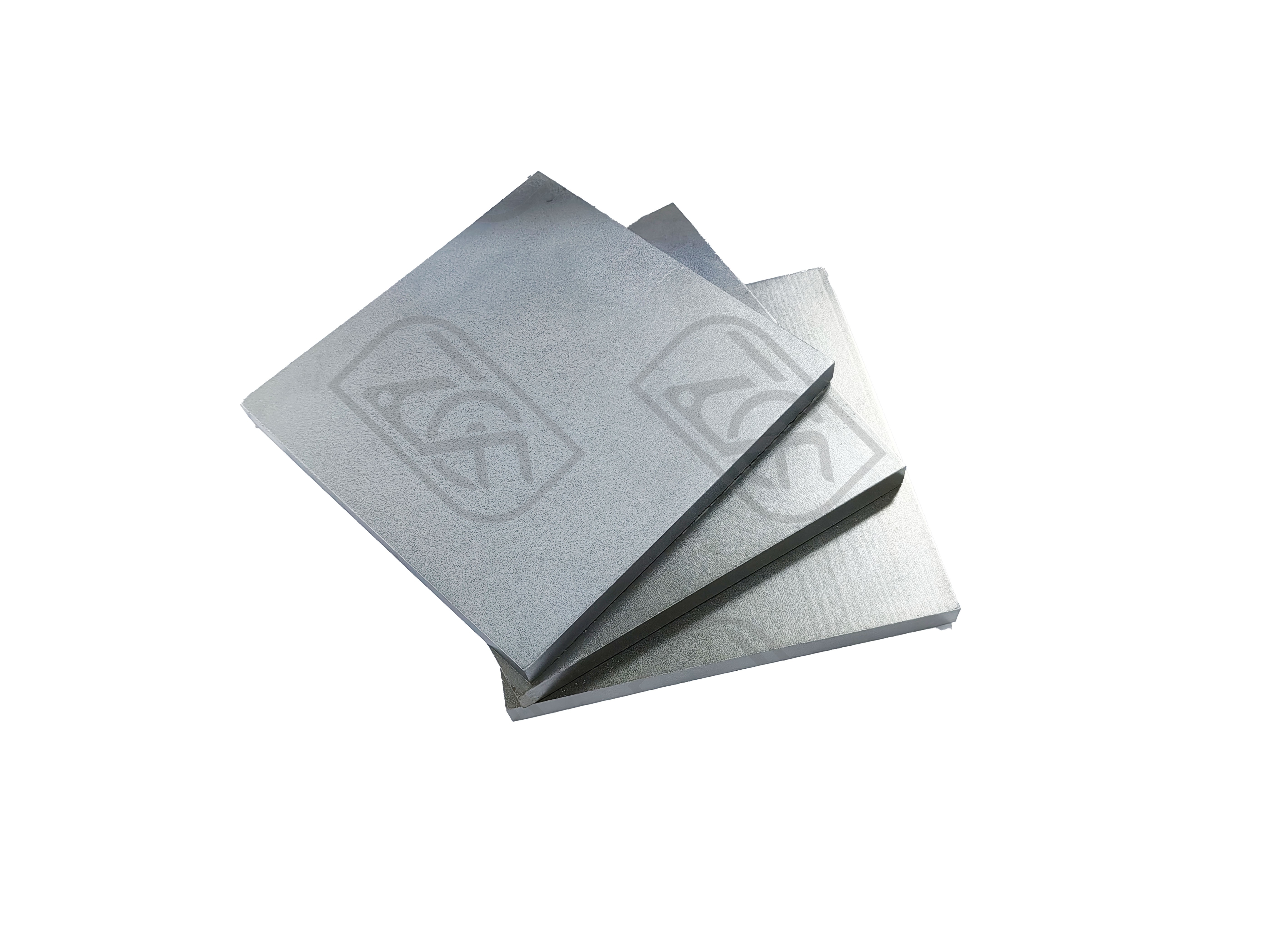
Deep cooling and tempering technology is a systematic solution to the above problems. This technology places components in an ultra-low-temperature medium and performs material modification treatment according to a specific process, thereby significantly improving the hardness, strength and toughness, wear resistance, and service life of cemented carbide, reducing residual stress, and improving dimensional stability. In recent years, with the maturation of liquid nitrogen cooling and insulation technologies, deep cooling and tempering has been increasingly applied in the field of cemented carbide and has become an indispensable key process in high-end tungsten carbide die manufacturing.
II. Process Highlights and Parameter Control
The core of the deep cooling and tempering process lies in the precise control of three dimensions: temperature, time, and rate. A typical process route includes two stages: deep cooling treatment and low-temperature tempering. In the deep cooling treatment stage, liquid nitrogen is usually used as the cooling medium to cool the material from room temperature to -160°C to -196°C at a controlled rate. The holding time depends on the workpiece size and material grade, generally ranging from 2 to 24 hours. In actual production, rate optimization must be carried out according to workpiece dimensions, furnace load, and material characteristics to achieve a balance between quality and efficiency.
III. Engineering Practice of ZCCF Tungsten Carbide
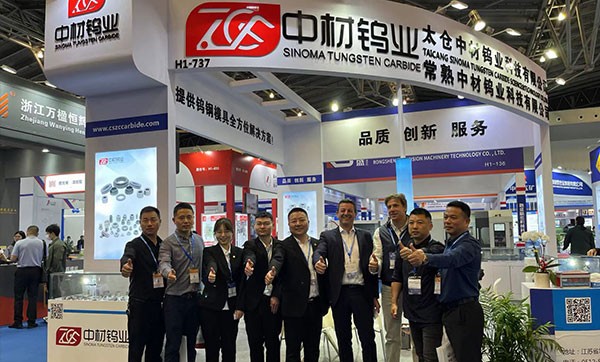
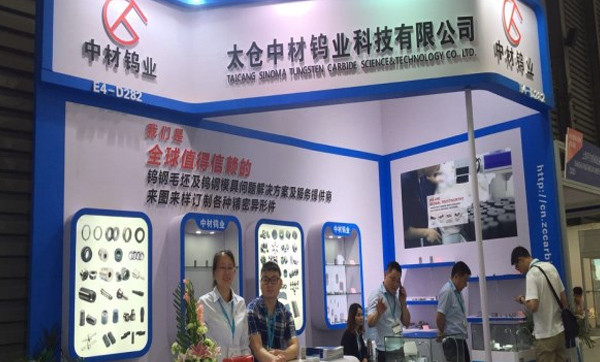
ZCCF Tungsten Carbide is a leading enterprise in China's tungsten carbide die material field. It holds more than 70% of the domestic cold heading die material segment. Its product life is 30% to 50% higher than the industry average, helping customers save about 20% of usage costs. It is fair to say that deep cooling and tempering has played a significant role in this.
ZCCF Tungsten Carbide positions deep cooling and tempering as the "strengthened guardian of stability" in its product manufacturing process. Its process route is centered on ultra-low-temperature cold treatment, which significantly improves the durability and crack resistance of products by eliminating internal residual stress. From the perspective of customer value, the effect of deep cooling and tempering is directly reflected in the extension of die service life. Tungsten carbide cold heading dies treated by deep cooling and tempering can effectively inhibit the initiation and propagation of microcracks under high-speed impact and repeated loading conditions, reduce chipping and early failure, and thereby lower customers' die replacement frequency and downtime losses.
If you are looking for more stable and more durable tungsten carbide die materials, or wish to further understand how deep cooling and tempering technology can improve the performance of your dies, please feel free to contact us. ZCCF Tungsten Carbide is ready to provide targeted support for your project with mature technical solutions and extensive industry experience.
(+86)18962368366
(+86)18962328299
ping.wu@cszccarbide.com
yan.feng@@cszccarbide.com
No.4 Xiaoshanjing Road, Zhitang Town, Changshu City, Jiangsu Province, China