Tungsten carbide molds are critical tooling components in fastener manufacturing, offering high hardness, excellent wear resistance, and high compressive strength. However, even high-performance tungsten carbide molds can experience premature chipping, cracking, fracture, or abnormal wear during production, increasing tooling costs and disrupting production. What are the main causes?
1. Material and Sintering Quality Issues
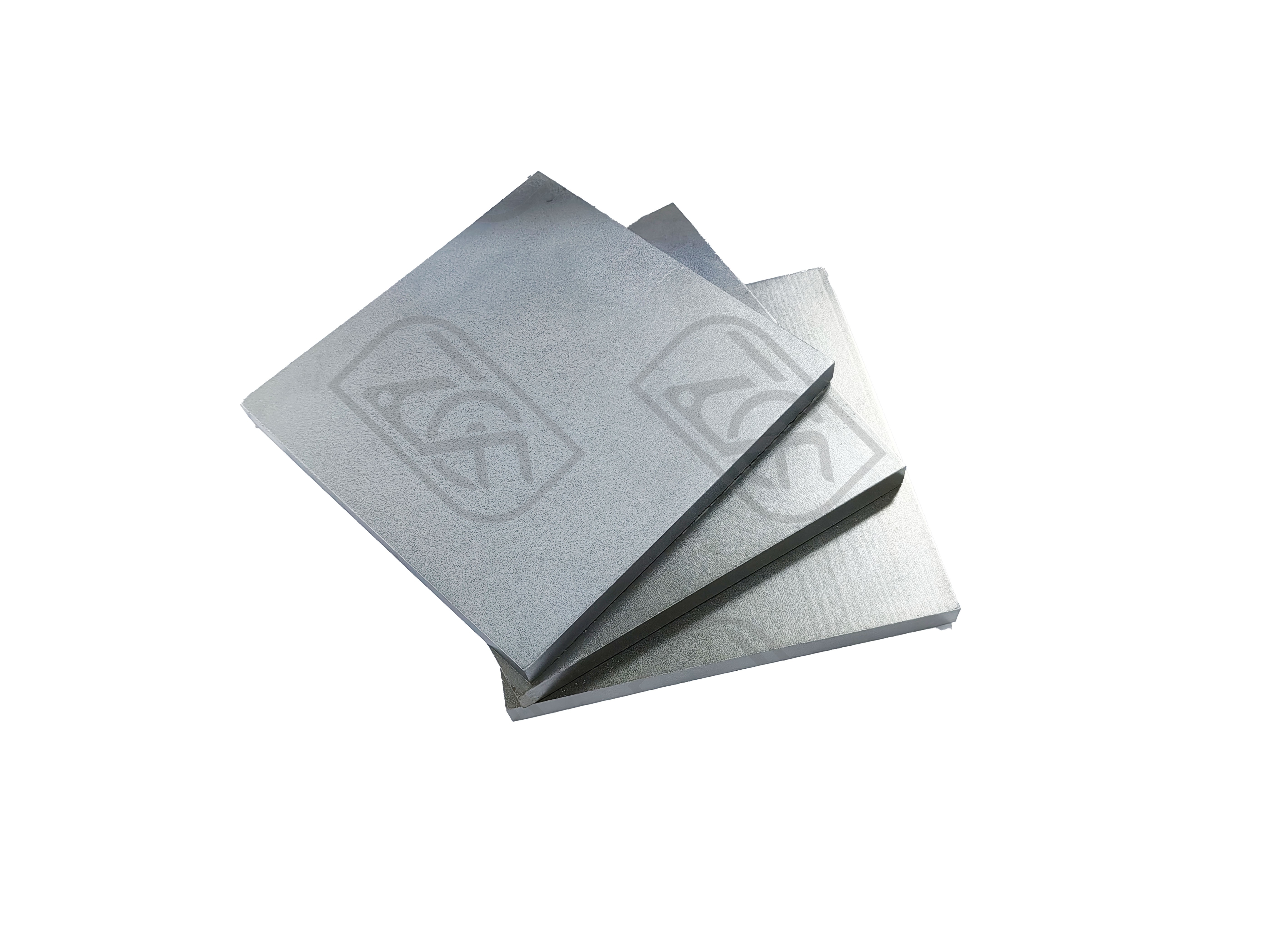
The service life of a tungsten carbide mold largely depends on the quality and properties of the carbide material itself. Different cold heading applications require a proper balance of hardness, wear resistance, and toughness. Overemphasizing hardness while neglecting toughness can make the mold more susceptible to chipping or cracking under sudden impact loads.
In addition, microscopic defects such as pores, inclusions, non-uniform microstructure, or abnormal grain growth can act as crack initiation sites. Under repeated high-pressure and impact loading during cold heading, these defects may gradually propagate, eventually causing premature mold failure. Therefore, selecting the appropriate carbide grade and maintaining consistent sintering quality are essential.
2. Mold Design Issues
During cold heading, the mold is subjected to high compressive stress, impact loading, and friction. Improper cavity geometry, insufficient wall thickness, sharp transitions, or inadequate support can result in localized stress concentration.
For example, integral tungsten carbide dies used for large-size, high-strength fasteners can experience significant radial stress. Slender punches with insufficient support or misalignment may also suffer from chipping, bending, or even fracture.
Therefore, optimized wall thickness, proper radius transitions, and compound structures such as a steel casing with a tungsten carbide core can help improve stress distribution and reduce stress concentration.
3. Manufacturing Process and Surface Quality Issues
Tungsten carbide has extremely high hardness, but it is also sensitive to machining-induced defects. Inadequate grinding, internal-hole machining, or polishing can leave machining marks, microcracks, or edge chipping on the mold surface. These defects can become stress concentration points and gradually develop into cracks under repeated impact loading.
Excessive surface roughness can also increase friction, resulting in product scratching, material adhesion, and cavity galling. Improper grinding parameters may further introduce grinding cracks and residual stresses into the surface layer. Therefore, strict process control is required throughout sintering, grinding, and precision finishing.
4. Operating Conditions and Lubrication Issues
Even when the material and manufacturing processes are properly controlled, improper operating conditions can significantly shorten mold life.
If the cold heading load exceeds the mold's load-bearing capacity, or if the equipment suffers from eccentric loading, feeding abnormalities, or inconsistent workpiece hardness, the tungsten carbide mold may experience chipping, cracking, or catastrophic fracture.
Lubrication is equally important. Insufficient lubrication can cause the lubricant film to break down under high-pressure friction, resulting in adhesion between the workpiece material and the mold surface. This can lead to cavity galling, product scratching, and accelerated wear. In high-speed continuous production, repeated impact and temperature rise can further accelerate fatigue failure.
Conclusion
Premature failure of tungsten carbide cold heading molds is rarely caused by a single factor. It is usually the result of multiple factors involving material selection, mold design, manufacturing processes, and operating conditions.
To extend mold service life, manufacturers need to optimize carbide grade selection, microstructural consistency, sintering quality, mold design, precision machining, surface finish, and lubrication management as an integrated system.
ZCCF Tungsten Carbide has specialized in precision forming applications including cold heading, hot forging, and powder metallurgy for 30 years. With more than 70 proprietary carbide grades and an annual production capacity exceeding 400 tons, ZCCF focuses on achieving the right balance of hardness, wear resistance, and toughness for different cold heading applications.
Through strict control of raw material selection, powder preparation, sintering, and inspection processes, ZCCF enhances material consistency and resistance to chipping and cracking.
Currently, hardness variation can be controlled within ±0.5 HRA, with batch-to-batch variation below 0.5%. ZCCF also offers 72-hour delivery for standard specifications and comprehensive technical support throughout the entire process.
A reliable tungsten carbide cold heading mold starts with reliable tungsten carbide material. Consistent material performance is the foundation of longer mold life and more stable production.
(+86)18962368366
(+86)18962328299
ping.wu@cszccarbide.com
yan.feng@@cszccarbide.com
No.4 Xiaoshanjing Road, Zhitang Town, Changshu City, Jiangsu Province, China